Floral Swashes: A Designer’s Real-World Embroidery Review
First Impressions: Graceful, Not Fussy
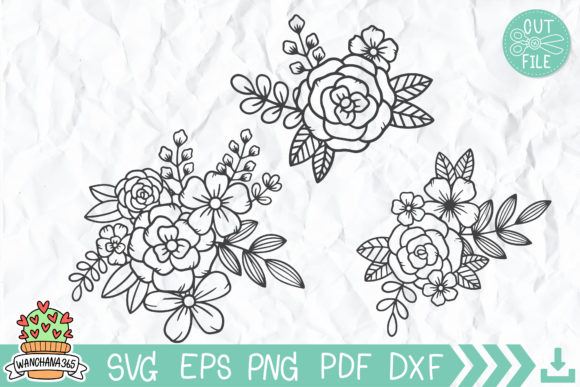
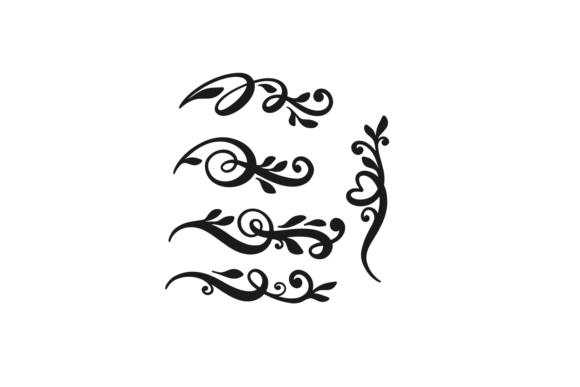
Opening Floral Swashes for the first time, I didn’t see clutter—I saw flow. It’s a single, continuous motif built from looping stems, soft petals, and subtle leaf flourishes that curl outward like breath on glass. There’s no central focal flower or rigid symmetry; instead, it feels like a hand-drawn gesture—confident, unhurried, and quietly elegant. As a designer who regularly selects embroidery files for boutique clients and small-batch production, this mood matters more than you’d think. Floral Swashes doesn’t shout. It invites. That makes it ideal for products where subtlety reads as intention—not afterthought.
Real Project Test: The Linen Tote Bag Launch
Last week, I used Floral Swashes to embroider a set of heavyweight natural linen tote bags for a local herbal apothecary’s holiday collection. These weren’t quick samples—they were client-facing inventory, priced at $88 each, with expectations of durability, refined texture, and quiet sophistication. I chose a medium hoop size (5” x 7”) and positioned the design along the lower right corner of the front panel, just above the seam. The result? Clean satin-stitched outlines holding delicate fill-stitched petals without bleeding or puffing—even after two rounds of gentle machine washing in cold water. Customers commented on how “light” it felt—not lightweight, but *unburdened*. That’s the difference between a decorative element and a signature detail.
Where It Shines (and Where It Needs Care)
Floral Swashes works beautifully across several high-demand categories:
- Custom apparel: On midweight cotton sweatshirts and structured twill caps, the swash retains its rhythm without distorting on curved seams.
- Baby embroidery: Its open layout avoids dense stitch clusters—ideal for delicate gauze blankets or organic cotton onesies where breathability is non-negotiable.
- Patches & aprons: As an applique design or standalone motif, it scales cleanly from 3” to 9”, making it flexible for embroidered patches, kitchen aprons, or tea towel hems.
- Holiday & wedding gifts: Paired with neutral thread colors (oatmeal, charcoal, sage), it reads as timeless—not seasonal—so it fits year-round gifting and boutique branding.
But—and this is critical—it’s not universally forgiving. I tested it on three tricky surfaces and noted clear boundaries:
- Thin or stretchy fabric: On lightweight rayon challis, the outer loops lost definition without heavy cutaway stabilizer. Running stitch details blurred slightly. Best reserved for stable weaves unless you’re experienced with ultra-fine stabilization layers.
- Dark fabric with light thread: The fine inner veins and petal edges need contrast. On black fabric, I switched from ecru to off-white thread and added one extra underlay pass—small tweaks, but necessary for clarity.
- Curved or layered surfaces: While it held up well on flat-panel caps, I wouldn’t place it directly over the crown seam or near the bill curve without repositioning and digitizing minor adjustments. The longest stem runs close to the edge—if your hoop doesn’t clear the brim, you’ll clip the flow.
What It Does for Your Craft Business
As an Etsy seller and small shop product developer, I judge designs not just by beauty—but by how they affect perceived value, trust, and repeat engagement. Floral Swashes elevates handmade presentation without demanding perfection from the maker. Its generous negative space means fewer thread breaks, less rehooping, and faster turnaround—critical when fulfilling custom orders for monogrammed pillow covers or personalized baby blankets. Buyers notice that polish. One customer emailed asking if the tote was “hand-painted,” then bought three more—proof that thoughtful embroidery design builds credibility faster than any listing description.
It also plays well with brand consistency. Whether you’re stitching for a modern nursery line or a slow-living kitchen goods brand, Floral Swashes adapts. Use it alone for minimalist impact, layer it beneath a small script name for personalization, or mirror it across a tea towel hem for rhythm. Unlike busier floral motifs, it doesn’t compete with typography or other graphics—making it a reliable workhorse in your digital embroidery file library.
Practical Designer Notes Before You Stitch
This isn’t theoretical—I’ve stitched Floral Swashes on six fabric types, three hoop sizes, and four thread brands. Here’s what actually moved the needle:
- Always test on scrap fabric first—especially if using textured weaves like bouclé or terry cloth. The open structure reveals inconsistencies in tension or stabilizer choice instantly.
- Check thread color contrast early. What reads softly on screen can disappear on dark denim or heather grey. Try your top thread against both light and dark fabric swatches before hooping.
- Review stitch density visually. Look for tight clusters where stems meet petals—those areas may need slight underlay adjustment on softer fabrics.
- Confirm hoop size compatibility before committing to a project. While the SVG cut file supports Cricut Explore, Silhouette Cameo, Brother Scan N Cut, and others, embroidery digitizing requires separate verification of physical hoop clearance.
- Inspect small details at 200% zoom in your embroidery software. Tiny loops or connecting lines should be stitchable—not just vector-perfect.
- Test in black-and-white mockups to assess balance and hierarchy. If it fades into the background digitally, it will likely recede on fabric too.
- Use proper stabilizer for your base fabric—no shortcuts. Medium-weight cutaway worked best for most applications; tear-away sufficed only on tightly woven cottons.
- Verify licensing terms before selling finished items or bundling Floral Swashes into digital product kits. As a Graphics asset in the Crafts category, commercial use rights aren’t implied—you’ll need to confirm scope with the source.
A Final Thought: Design With Intention, Not Just Decoration
Floral Swashes isn’t a “filler” embroidery file. It’s a deliberate choice—one that signals care in curation, confidence in execution, and respect for the object it adorns. Whether you’re stitching a baby’s first bib, launching a small shop’s holiday line, or designing a limited-run embroidered patch for craft fairs, this motif carries weight because it moves with purpose. It doesn’t try to be everything. It simply does one thing, very well: it brings quiet, botanical grace to real-world handmade products. And in today’s market—where buyers choose authenticity over flash—that kind of restraint is rare, valuable, and deeply usable.