Floral Flamingo: A Designer’s Real-World Embroidery Review
Let’s be honest—I opened Floral Flamingo expecting charm, but what I found was something more useful: a design with quiet confidence. As someone who’s stitched hundreds of custom orders—from boutique baby onesies to Etsy bestsellers—I don’t just scan for prettiness. I look for structure, rhythm, and how well a design holds up when translated from screen to thread. This one lands cleanly between playful and polished—like a hand-painted botanical sketch that happens to love flamingos.
First Impressions: Mood, Shape, and Natural Fit
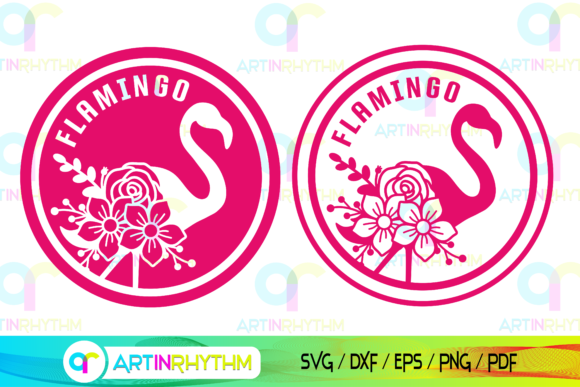
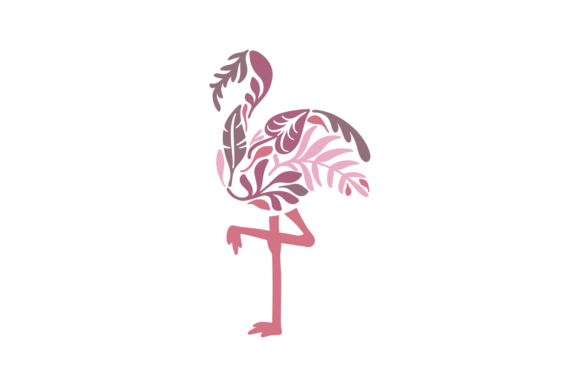
The composition feels intentional, not crowded. The flamingo stands upright but relaxed, its neck arcing gently into a soft floral crown—roses, eucalyptus, and trailing vines all integrated without visual competition. There’s breathing room in the negative space, which matters immensely when you’re hooping cotton poplin or slubbed linen tea towels. It reads as light-hearted but not juvenile, making it ideal for grown-up handmade products: embroidered aprons for artisanal bakeries, pillow covers for boho nurseries, or even minimalist sweatshirt embroidery for small shop branding.
I tested Floral Flamingo on a medium-weight organic cotton tote bag first—the kind customers pay extra for because it feels substantial. Stitched at ~4.2" wide, the design held clarity across curves and seams. No detail collapsed. The petals retained subtle gradation, and the flamingo’s leg line stayed crisp—not thickened or pixelated—thanks to clean vector paths (which explains why this SVG cut file translates so well to embroidery digitizing).
Where It Shines—and Where to Pause
Floral Flamingo excels in mid-to-large scale applications: 3.5–5.5" hoop sizes, stable woven fabrics like twill, canvas, or quilting cotton. On a baby onesie? Perfect—soft fill stitches and gentle satin outlines avoid scratchiness. On a structured denim jacket pocket? Yes, especially with light tear-away stabilizer underneath. For holiday embroidery—think linen kitchen towels or monogrammed napkin sets—it adds warmth without overwhelming tradition.
But here’s where experience kicks in: avoid using Floral Flamingo full-size on highly textured fabrics (like bouclé or heavy terry cloth) without testing stitch density first. Dense fill areas near the base of the flamingo’s body can flatten texture or cause puckering if overstabilized. Likewise, on thin rayon challis or stretchy jersey tees, I’d simplify—either reduce stitch count manually or use it as an applique design with raw-edge or satin-stitched perimeter, rather than relying solely on fill stitch.
Curved surfaces—like caps or curved pillow fronts—require repositioning the design so the flamingo’s head and tail align naturally with the contour. A straight vertical layout works on flat panels; on domed fabric, it’ll tilt awkwardly unless adjusted. And while the floral elements are graceful, the smallest vine tips sit close to the edge—so double-check clearance if you’re planning embroidered patches with heat-seal backing or merrowed edges.
Real Impact on Your Craft Business
As an Etsy seller and small shop product developer, I judge designs by how they affect perceived value—not just aesthetics. Floral Flamingo elevates a basic cotton tote from “nice” to “thoughtfully made.” Customers notice the balance: the flamingo isn’t cartoonish, the florals aren’t fussy. That subtlety builds trust. It says, “This wasn’t grabbed from a free bundle—it was chosen.” That perception directly supports higher price points and repeat buyers.
For personalized gifts—say, a birthday tote for a botanist who also loves birds—it invites storytelling. You’re not just selling embroidery; you’re offering a tiny narrative. That emotional resonance increases giftability, social shares, and unboxing moments worth photographing. And yes—it works beautifully in printable mockups. Whether you’re listing on Etsy or pitching to a local boutique, Floral Flamingo renders cleanly in both light and dark fabric previews, helping buyers visualize before they click.
Practical Notes Every Embroidery Designer Should Keep Handy
- Always test on scrap fabric first—especially if stitching on blends or new substrates. What looks balanced on screen may shift with thread tension or fabric drape.
- Review stitch density before finalizing. Some versions of floral motifs overfill delicate petals; trim excess density in your embroidery software if needed.
- Confirm hoop size compatibility. While Floral Flamingo scales well, going below ~3" risks losing definition in the vine details and eye highlights.
- Check thread color contrast, particularly for dark fabric backgrounds. Light pinks or creams on navy or charcoal need enough tonal separation—or consider reversing the motif and using tone-on-tone stitching.
- Use appropriate stabilizer: medium-weight cutaway for knits, lightweight tear-away for wovens, and optional topping (like water-soluble film) for napped fabrics like fleece or terry.
- Verify licensing before selling finished items or bundling Floral Flamingo into digital embroidery kits. Since it’s listed as a Graphics product under Crafts, confirm whether commercial use is permitted for your specific business model.
- Test black-and-white mockups—they reveal imbalance faster than color. If the flamingo disappears into the florals in grayscale, adjust spacing or outline weight.
Final Thought: Not Just Another Floral Design
Floral Flamingo doesn’t shout. It invites. It fits seamlessly into thoughtful handmade product lines—whether you’re embroidering baby embroidery for a newborn boutique, creating custom apparel for a yoga studio, or designing limited-run patches for a craft fair stall. Its strength lies in restraint: no excessive detail to snag, no aggressive saturation to overwhelm, and no trend-chasing gimmicks. It’s a reliable, quietly distinctive machine embroidery design—one that supports your voice as a maker instead of competing with it.
If you're curating design assets for long-term use—not just one-off projects—Floral Flamingo earns its place in your working library. Just remember: great embroidery starts before the needle drops. Test, observe, refine. Then let the flamingo take flight.